Intestinal Atresia in children is a congenital condition in which a part of the intestine is absent, blocked, or not fully developed. Because of this blockage, food and fluids cannot pass normally through the digestive tract.
Intestinal atresia develops before birth during fetal growth and is one of the common causes of intestinal obstruction in newborn babies. The blockage can occur in different parts of the intestine, including the duodenum, jejunum, ileum, or colon.
Children with intestinal atresia usually develop symptoms soon after birth, especially feeding problems, abdominal swelling, and vomiting. Early diagnosis and surgical treatment are important to restore bowel function and prevent serious complications.
With timely surgery and proper neonatal care, many children recover well and grow normally.
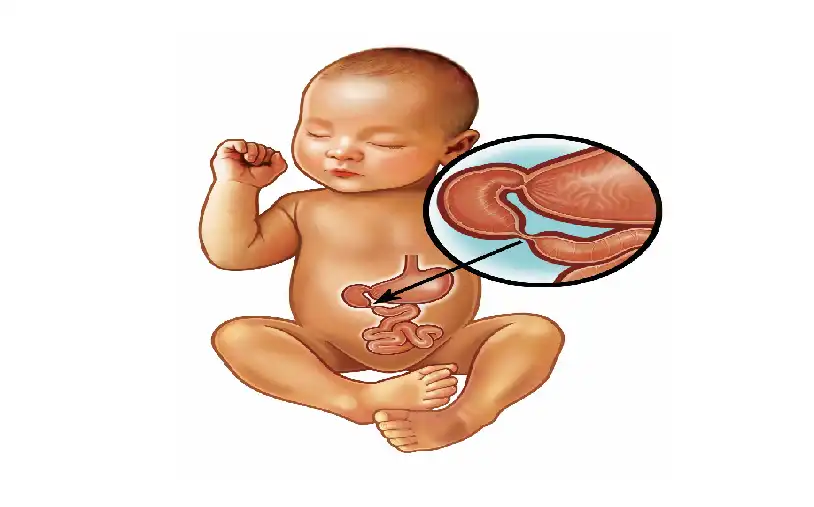
The symptoms of intestinal atresia usually appear shortly after birth.
Common symptoms of intestinal atresia in children include:
The severity of symptoms depends on the location and extent of the intestinal blockage.
Intestinal atresia develops during fetal growth before birth.
The exact cause is not always known, but common causes and contributing factors include:
Most cases occur without any clear preventable cause.
Intestinal atresia is classified based on the location and appearance of the blockage.
Certain factors may increase the risk of intestinal atresia.
Risk factors include:
In many cases, no definite risk factor is identified.
If untreated, intestinal atresia can lead to serious complications.
Food and fluids cannot pass through the blocked intestine.
Repeated vomiting may lead to severe fluid loss.
Bowel blockage may increase the risk of serious infection.
Pressure buildup may cause rupture of the intestine.
Poor feeding and digestion can affect growth and development.
An untreated infection may spread throughout the body and become life-threatening.
Doctors use several tests to diagnose intestinal atresia and determine the location of the blockage.
Diagnosis may include:
In many cases, intestinal atresia is suspected before birth during a prenatal ultrasound.
Intestinal atresia usually requires surgery soon after birth.
Before surgery, the baby may require:
The blocked or abnormal part of the intestine is removed surgically.
During surgery:
In some severe cases, a temporary opening (stoma) may be created to allow stool passage before final repair.
Recovery depends on the location and severity of the blockage.
Parents are usually advised to:
Some babies may need nutritional support for a period after surgery.
Helpful care measures include:
Early treatment and regular follow-up improve long-term outcomes.
Parents should seek immediate medical attention if the child develops:
Early diagnosis of intestinal atresia in children can prevent life-threatening complications.
Yes, intestinal atresia can cause severe bowel obstruction and requires early treatment.
Yes, many cases are identified during a pregnancy ultrasound.
Yes, surgery is the main treatment to remove the blockage and restore bowel function.
Many babies recover well with timely surgery and proper neonatal care.
Green vomiting occurs because bile cannot pass normally through the blocked intestine.
If untreated, feeding and nutritional problems may affect growth and development.
Dr. Muni Varma is an experienced Pediatric Surgeon specializing in the diagnosis and treatment of intestinal atresia and other complex neonatal surgical conditions. With expertise in newborn intestinal surgery, congenital gastrointestinal disorders, and advanced pediatric surgical care, Dr. Varma provides compassionate child-focused treatment using modern surgical techniques. From emergency neonatal management to advanced intestinal reconstruction and post-surgical care, he focuses on restoring healthy bowel function, preventing complications, and supporting proper growth and development. Early expert surgical treatment and dedicated follow-up help achieve better long-term outcomes for children.