What is Anorectal Malformation in Children?
Anorectal Malformation (ARM) in children is a congenital condition in which the anus and rectum do not develop properly before birth. In this condition, the opening through which stool normally passes may be missing, blocked, narrowed, or connected abnormally to other organs.
Anorectal malformation is also commonly known as Imperforate Anus. The severity of the condition can vary from mild to complex. Some children may have a very small anal opening, while others may completely lack a normal anal opening.
In some cases, the rectum may connect abnormally to the urinary tract or reproductive organs through a fistula. ARM is usually diagnosed soon after birth when the baby is unable to pass stool normally.
Early diagnosis and timely surgical treatment are important to establish normal bowel function and prevent complications.
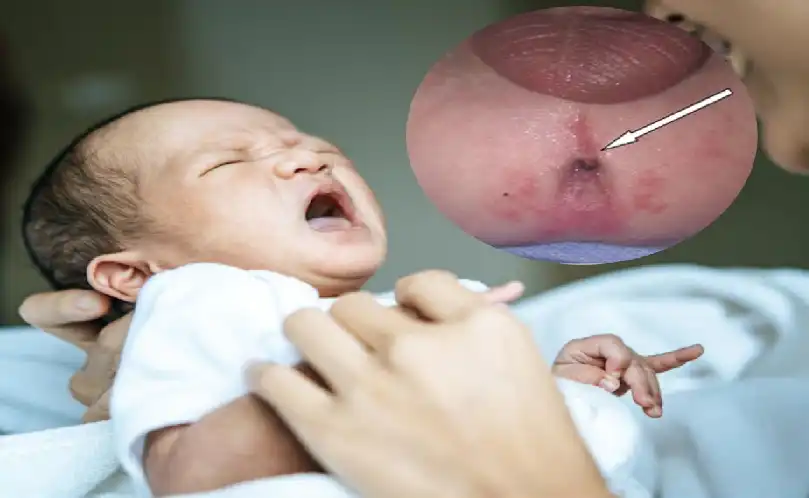
What are the Symptoms of Anorectal Malformation in Children?
The symptoms of anorectal malformation usually appear immediately after birth.
Common symptoms of anorectal malformation in children include:
- Absence of normal anal opening
- Difficulty passing stool
- Failure to pass meconium within 24–48 hours after birth
- Swollen abdomen
- Vomiting
- Stool passing through urine in some babies
- Stool passing through abnormal openings near the genital area
- Constipation
- Feeding difficulties
- Excessive crying due to abdominal discomfort
The severity of symptoms depends on the type of anorectal malformation.
What Causes Anorectal Malformation in Children?
Anorectal malformation develops during fetal growth before birth.
The exact cause is not always known, but common contributing factors include:
- Abnormal development of the lower digestive tract
- Congenital developmental defects
- Genetic factors
- Associated birth abnormalities
- Abnormal separation of urinary and digestive structures during fetal development
Most cases occur without any clear preventable cause.
What are the Types of Anorectal Malformation in Children?
Anorectal malformations are classified based on the location and severity of the defect.
- Low Anorectal Malformation: The rectum ends close to the skin surface and is usually easier to repair surgically.
- Intermediate Anorectal Malformation: The rectum ends higher inside the pelvis and may have abnormal fistula connections.
- High Anorectal Malformation: The rectum ends far from the normal anal opening and usually requires more complex surgery.
- Imperforate Anus: The anal opening is absent or completely blocked.
- Rectourethral Fistula: The rectum abnormally connects to the urethra in boys.
- Rectovestibular Fistula: The rectum opens near the vaginal area in girls.
- Cloacal Malformation: A complex condition in girls where the urinary, genital, and intestinal tracts join into a single opening.
What are the Risk Factors for Anorectal Malformation in Children?
Certain factors may increase the risk of anorectal malformation.
Risk factors include:
- Congenital abnormalities
- Genetic syndromes
- Family history of anorectal malformations
- Associated spinal abnormalities
- Urinary tract abnormalities
- Premature birth in some cases
Some children may also have associated heart, kidney, or spinal defects.
What Complications Can Anorectal Malformation Cause in Children?
If untreated, anorectal malformation can lead to serious complications.
- Intestinal Obstruction: The baby may be unable to pass stool properly.
- Severe Constipation: Abnormal bowel function may lead to chronic constipation.
- Infection: Blocked bowel movements can increase the risk of infection.
- Abdominal Swelling: Stool buildup may cause abdominal distension and discomfort.
- Urinary Problems: Abnormal fistulas may affect the urinary system.
- Bowel Control Problems: Some children may later develop difficulty controlling bowel movements.
- Poor Growth and Nutrition: Feeding difficulties and bowel problems may affect growth.
How is Anorectal Malformation Diagnosed in Children?
Doctors usually diagnose anorectal malformation through physical examination after birth.
Diagnosis may include:
- Physical examination
- Abdominal X-rays
- Ultrasound abdomen and pelvis
- Invertogram or prone cross-table X-ray
- MRI in selected cases
- Echocardiography
- Spinal ultrasound or MRI
- Kidney and urinary tract evaluation
Doctors also check for associated congenital abnormalities.
What is the Treatment for Anorectal Malformation in Children?
Treatment usually requires surgery to create or repair the anal opening and restore normal bowel function.
Initial Stabilization
Before surgery, babies may require:
- Intravenous (IV) fluids
- Nasogastric tube placement
- Antibiotics if infection is suspected
- Monitoring of feeding and bowel function
Colostomy
In some complex cases, a temporary colostomy may be created to divert stool safely.
Posterior Sagittal Anorectoplasty (PSARP)
This is one of the most common surgeries for anorectal malformation.
During this procedure:
- The rectum is repositioned
- A normal anal opening is created
- Abnormal fistulas are corrected
Definitive Repair Surgery
Some children may undergo single-stage or staged corrective surgeries depending on the severity of the condition.
How is Recovery After Surgery for Anorectal Malformation?
Recovery depends on the severity of the condition and the type of surgery performed.
Parents are usually advised to:
- Maintain proper wound care
- Follow feeding instructions carefully
- Attend regular follow-up visits
- Perform anal dilatation exercises if advised
- Monitor bowel movements
Some children may require long-term bowel management programs.
What Home Care Tips Help Children with Anorectal Malformation?
Helpful care measures include:
- Maintain proper hygiene
- Follow bowel management instructions carefully
- Encourage healthy nutrition
- Prevent constipation
- Attend regular pediatric surgery follow-ups
- Monitor bowel habits and stool passage
Early treatment and proper follow-up improve long-term bowel function.
When Should Parents See a Doctor?
Parents should seek immediate medical attention if the child develops:
- Failure to pass stool after birth
- Swollen abdomen
- Vomiting
- Fever
- Severe constipation
- Stool leakage from abnormal openings
- Difficulty feeding
- Excessive crying or discomfort
Early diagnosis of anorectal malformation in children helps prevent serious complications.
Frequently Asked Questions (FAQs)
Is anorectal malformation present from birth?
Yes, it is a congenital condition that develops before birth.
Can anorectal malformation be treated successfully?
Yes, many children recover well after proper surgical treatment.
Is surgery necessary for anorectal malformation?
Yes, surgery is usually required to restore normal bowel function.
What is PSARP surgery?
PSARP is a common surgical procedure used to repair anorectal malformations.
Can children have normal bowel movements after surgery?
Many children achieve good bowel function, although some may require long-term bowel management.
Can anorectal malformation be associated with other abnormalities?
Yes, some children may have associated urinary, spinal, heart, or kidney abnormalities.
Why choose Dr. Muni Varma for Anorectal Malformation Treatment in Children in Lucknow, India?
Dr. Muni Varma is an experienced Pediatric Surgeon specializing in the diagnosis and treatment of anorectal malformations and other complex congenital gastrointestinal conditions in children. With expertise in neonatal surgery, PSARP procedures, bowel reconstruction, and long-term pediatric bowel management, Dr. Varma provides advanced child-focused care using modern surgical techniques. From newborn evaluation to staged corrective surgery and long-term follow-up, he focuses on restoring healthy bowel function, preventing complications, and improving quality of life. Early expert surgical treatment and dedicated pediatric care help children achieve better growth, bowel control, and long-term well-being.
To seek Expert Consultation for Anorectal Malformation Treatment in Children in Lucknow, India: