Esophageal disorders in children are a group of conditions that affect the esophagus, the muscular tube that carries food and liquids from the mouth to the stomach. These disorders can interfere with swallowing, feeding, digestion, and overall growth and development.
Some esophageal disorders are present from birth (congenital), while others develop later due to infections, inflammation, acid reflux, injury, or motility disorders. Depending on the underlying condition, children may experience difficulty swallowing, vomiting, chest pain, poor weight gain, or recurrent respiratory infections.
Early diagnosis and appropriate treatment are essential to prevent complications and help children maintain healthy nutrition and normal growth.
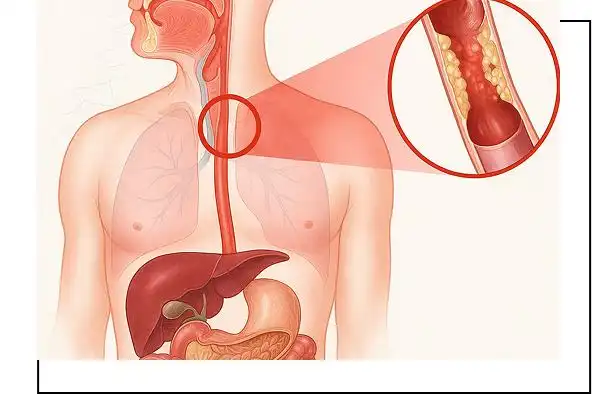
The symptoms vary depending on the specific esophageal disorder.
Common symptoms of esophageal disorders in children include:
Children with persistent swallowing difficulties or feeding problems should be evaluated by a pediatric specialist.
Esophageal disorders can develop due to congenital abnormalities, infections, inflammation, or problems with the muscles and nerves of the esophagus.
Common causes of esophageal disorders in children include:
The exact cause depends on the type of esophageal disorder.
Several conditions can affect the esophagus in children.
Stomach acid frequently flows back into the esophagus, causing irritation and discomfort.
A congenital condition in which the esophagus does not develop as a continuous tube.
An abnormal connection develops between the esophagus and the windpipe (trachea).
The lower esophageal sphincter fails to relax properly, making swallowing difficult.
The esophagus becomes narrowed due to scarring, inflammation, or injury.
An allergic inflammatory condition that causes swelling and narrowing of the esophagus.
Inflammation of the esophagus caused by acid reflux, infections, medications, or allergies.
Coins, batteries, toys, or other objects may become lodged inside the esophagus and require urgent removal.
Certain factors increase the likelihood of developing esophageal disorders.
Risk factors include:
Children with feeding or swallowing disorders require careful medical evaluation.
If left untreated, esophageal disorders may lead to serious complications.
Difficulty swallowing may reduce food intake.
Feeding problems may affect normal growth.
Food or liquids entering the lungs can cause repeated chest infections.
Long-term inflammation may lead to narrowing of the esophagus.
Injury or severe inflammation may cause a tear in the esophagus.
Persistent inflammation may damage the lining of the esophagus.
Children may develop fear or refusal to eat due to pain or discomfort.
Doctors use several tests to identify the underlying cause of esophageal disorders.
Diagnosis may include:
These investigations help determine the exact diagnosis and guide treatment.
Treatment depends on the specific condition affecting the esophagus.
Doctors may prescribe medicines to:
Some conditions can be treated using minimally invasive endoscopic techniques.
Examples include:
Some congenital or severe esophageal disorders require surgery.
Examples include:
Treatment is individualized based on the child’s condition.
Recovery depends on the underlying disorder and the type of treatment performed.
Parents are usually advised to:
Many children recover well with timely treatment and proper follow-up.
Helpful care measures include:
Maintaining good nutrition plays an important role in recovery.
Parents should seek medical attention if the child develops:
Early diagnosis of esophageal disorders in children helps prevent serious complications and supports healthy growth.
Some conditions, such as GERD, are relatively common, while others like achalasia and esophageal atresia are rare.
Yes. Feeding difficulties and poor nutrition may lead to poor weight gain and delayed growth.
Gastroesophageal Reflux Disease (GERD) is one of the most common esophageal disorders in children.
No. Many conditions can be managed with medications, dietary changes, or endoscopic procedures. Surgery is reserved for congenital abnormalities or severe cases.
Yes. Many children recover well with early diagnosis, appropriate treatment, and regular follow-up.
Persistent difficulty swallowing, choking during feeding, recurrent vomiting, or poor weight gain should always be evaluated by a pediatric specialist.
Dr. Muni Varma is an experienced Pediatric Surgeon specializing in the diagnosis and treatment of esophageal disorders and other complex pediatric gastrointestinal conditions. With expertise in managing congenital esophageal abnormalities, GERD, achalasia cardia, esophageal strictures, tracheoesophageal fistula, and esophageal atresia, Dr. Varma provides comprehensive child-focused care using advanced diagnostic techniques, minimally invasive procedures, and modern surgical methods. From accurate diagnosis and personalized treatment to long-term nutritional support and follow-up care, he focuses on restoring healthy swallowing, improving digestion, and supporting normal growth and development. Early expert care helps children recover safely and enjoy a better quality of life.