Pediatric Pyeloplasty Surgery is a procedure used to treat ureteropelvic junction (UPJ) obstruction or Pelvi-Ureteric Junction Obstruction (PUJO), a condition in which the flow of urine from the kidney into the ureter is partially or completely blocked. This can cause urine to build up inside the kidney and lead to swelling known as hydronephrosis.
UPJ obstruction may be detected during pregnancy through an ultrasound or may be diagnosed later when a child develops symptoms such as abdominal pain, urinary problems or recurrent urinary tract infections.
Dr. Muni Varma evaluates each child individually to understand the cause and severity of the obstruction and determines whether monitoring or surgical treatment is appropriate.
The ureteropelvic junction is the point where the renal pelvis of the kidney connects to the ureter. Normally, urine passes smoothly from the kidney through this junction and then travels down the ureter to the bladder.
When this area becomes narrowed or does not function normally, urine may not drain properly from the kidney. This condition is called UPJ obstruction.
In children, UPJ obstruction may be present from birth. It can sometimes be identified before birth during a routine antenatal ultrasound.
UPJ obstruction in children can occur because of an abnormality in the way the junction developed.
Possible causes include:
In many children, there is no single identifiable cause apart from the way the urinary tract developed.
Some children with UPJ obstruction have no obvious symptoms, particularly when the condition is detected before birth.
When symptoms occur, they may include:
The symptoms can vary depending on the child’s age and severity of obstruction.
Hydronephrosis means swelling or enlargement of the kidney’s urine-collecting system because urine is not draining normally.
UPJ obstruction is one of the causes of hydronephrosis in children.
Not every child with hydronephrosis needs surgery. Some cases improve naturally or remain stable and can be monitored with regular tests.
The decision depends on kidney function, the degree of obstruction and changes seen during follow-up.
Surgery may be recommended when tests indicate that the obstruction is affecting the kidney or when the child has significant or recurrent symptoms.
Pyeloplasty may be considered when there is:
A pediatric surgeon or pediatric urology specialist reviews the child’s imaging and kidney function before recommending surgery.
Pyeloplasty is a reconstructive operation that removes the narrowed portion of the ureteropelvic junction and reconnects the healthy part of the ureter to the renal pelvis.
The aim is to create a wider and more functional passage for urine to leave the kidney.
The operation can be performed using an open, laparoscopic or robotic-assisted approach depending on the child’s age, anatomy, available expertise and individual circumstances.
During surgery, the narrowed portion of the ureteropelvic junction is identified.
The surgeon removes the problematic segment and reconnects the ureter to the renal pelvis in a way that allows urine to drain more freely.
A temporary internal stent may be placed to support the repaired area while it heals.
The exact surgical technique depends on the child’s anatomy and the type of obstruction.
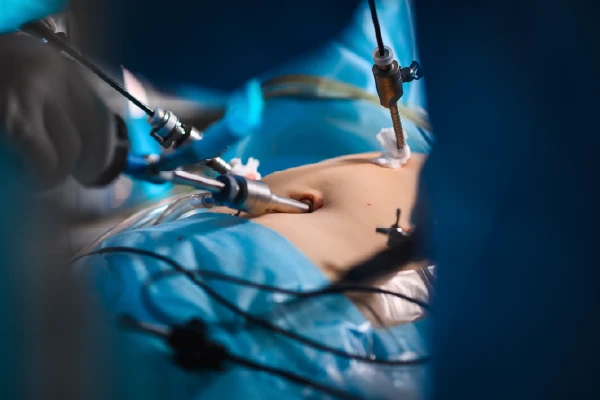
Laparoscopic pyeloplasty uses small incisions and a camera to perform the reconstruction.
The surgeon works through these small openings to remove the narrowed segment and reconnect the ureter with the renal pelvis.
In selected children, minimally invasive surgery can provide smaller incisions and may allow a faster recovery compared with traditional open surgery.
The suitability of laparoscopic surgery depends on the child’s age, anatomy and the surgeon’s assessment.
No, Hydronephrosis can have different causes and does not automatically mean that surgery is required.
Some children have mild hydronephrosis that improves as they grow. Others may have persistent obstruction that affects kidney drainage or function.
Regular ultrasound and, when required, functional kidney tests help determine whether the condition is improving, remaining stable or requiring treatment.
The evaluation may include:
A renal scan can help assess how well each kidney is functioning and whether urine drainage is delayed.
The tests recommended depend on the child’s age, symptoms and previous findings.
Pyeloplasty is a well-established procedure for treating UPJ obstruction, but as with any surgery, complications are possible.
Potential complications may include:
The risk varies according to the child’s condition and the complexity of the procedure.
Recovery depends on the surgical approach and the child’s individual condition.
Parents may receive instructions regarding:
A temporary urinary stent may remain in place for a period after surgery and is generally removed according to the surgeon’s plan.
Follow-up imaging is important to assess kidney drainage and the response to treatment.
The child may need follow-up ultrasound or other tests after surgery to assess the kidney and urinary drainage.
Hydronephrosis may not disappear immediately after the obstruction has been corrected. The kidney’s collecting system can take time to return towards a less dilated appearance.
The pediatric surgeon monitors the child over time to ensure that urine is draining appropriately and that the kidney remains healthy.
If significant obstruction persists for a long period, pressure from retained urine can affect kidney function.
This is why children with significant hydronephrosis or suspected UPJ obstruction are monitored carefully. When tests show that the obstruction is affecting the kidney, treatment may be recommended to protect remaining kidney function.
Most children do well after pyeloplasty, but recurrent or persistent narrowing can occur in some cases.
Follow-up imaging helps identify whether urine is draining properly after the repair.
If symptoms or abnormal test results persist, further evaluation may be required.
Pediatric pyeloplasty is a surgery used to correct a blockage at the junction between the kidney and ureter, known as UPJ obstruction.
UPJ obstruction is narrowing or impaired drainage at the point where the kidney connects to the ureter, which can cause urine to build up in the kidney.
Yes. Some cases are detected during pregnancy during a routine ultrasound examination.
No. Mild or stable hydronephrosis may improve naturally or can sometimes be monitored. Surgery is considered when there is significant obstruction, symptoms or evidence of impaired kidney function.
Ultrasound is commonly used, and a diuretic renal scan may be performed to assess kidney function and drainage. Other tests may be recommended depending on the child’s condition.
Pyeloplasty is a reconstructive surgical procedure, but the extent and recovery depend on the child’s age, anatomy and surgical approach.
A temporary stent may be placed in some cases to support urine drainage while the repaired area heals. The surgeon will explain whether one is required.
Recovery varies according to the surgical technique and the child’s overall condition. The surgeon provides specific instructions regarding normal activities and follow-up.
The outcome depends on how much kidney function was affected before treatment. Correcting significant obstruction can help protect the remaining kidney function, but recovery varies between children.
Persistent or recurrent narrowing is possible, although many children have good outcomes after pyeloplasty. Follow-up imaging is used to monitor the repaired area.
Dr. Muni Varma offers advanced Pediatric Pyeloplasty Surgery for Children in Lucknow, India. With more than 10 years of experience, he uses a careful and child-focused approach to provide accurate evaluation, appropriate surgical planning, and better long-term care. He offers personalized treatment and follow-up support for children with UPJ obstruction and related urinary conditions, helping parents understand the treatment process and providing quality pediatric surgical care in Lucknow, India.
