Pediatric Tumor Excision Surgery is a surgical procedure used to remove a tumor or abnormal mass from a child’s body while preserving as much healthy surrounding tissue and normal function as possible.
The operation may involve complete removal of a localized tumor or, in selected cases, removal of as much of the tumor as can be safely achieved. The surgical approach depends on where the tumor is located, its size, its relationship with nearby organs and blood vessels, and whether it appears benign or malignant.
Depending on the location and type of tumor, surgery may be performed through a conventional open approach or, in selected cases, using a minimally invasive laparoscopic or thoracoscopic approach.
When cancer is suspected, the surgical plan is usually coordinated with the pediatric oncology team. The removed tissue may be sent for histopathological examination to determine the exact diagnosis and whether additional treatment is required.
The main goals of tumor excision are to safely remove the abnormal tissue, obtain an accurate diagnosis, preserve important structures, and achieve the best possible functional and long-term outcome.
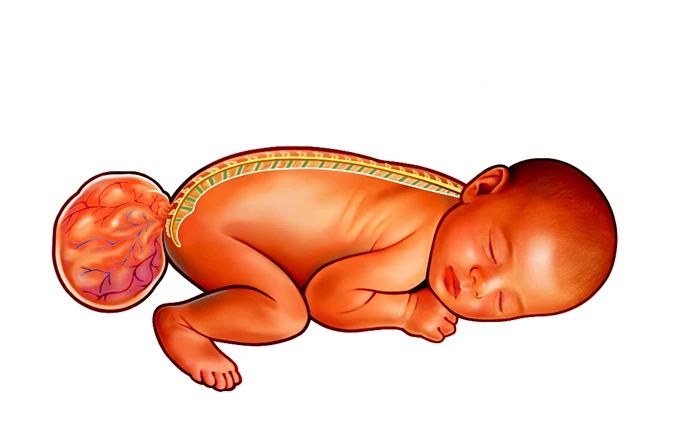
A child may be considered for tumor excision when a mass has been identified and surgical removal is appropriate.
Surgery may be recommended when:
Not every pediatric tumor requires immediate surgical removal. The treatment plan depends on the individual diagnosis and evaluation.
The purpose of tumor excision varies according to the type and location of the tumor.
Surgery may be performed to:
For malignant tumors, surgery is often one part of a multidisciplinary treatment plan rather than the only treatment.
Before surgery, the pediatric surgical team reviews the child’s examination, imaging, laboratory tests, and other available investigations.
Depending on the tumor, imaging may help determine:
During surgery, the surgeon carefully exposes the tumor and identifies important surrounding structures.
The procedure may involve:
The exact steps vary substantially depending on the tumor’s location and diagnosis.
An open approach uses a surgical incision that provides direct access to the tumor.
Open surgery may be appropriate when:
The surgeon aims to remove the tumor while preserving surrounding healthy structures whenever this can be achieved safely.
Selected tumors located within the abdomen may be suitable for laparoscopic surgery.
The surgeon uses small abdominal incisions, a camera, and specialized instruments to access and remove the tumor.
Potential advantages in appropriately selected cases may include:
However, laparoscopic surgery is not appropriate for every pediatric tumor. Tumor size, location, involvement of surrounding structures, and the need for adequate oncological surgery all influence the choice of approach.
For selected tumors located in the chest, a thoracoscopic approach may be considered.
Small incisions are used to introduce a camera and specialized instruments into the chest. The surgeon can visualize and remove selected tumors while limiting the size of the chest incisions.
Thoracoscopic surgery may not be suitable when a tumor is very large, invasive, closely associated with major structures, or requires a wider surgical exposure.
The safest approach is determined after reviewing the child’s imaging and overall condition.
The surgical goal may be different for different tumors.
When safely possible, the surgeon may aim to remove the entire tumor.
Complete removal may provide effective local treatment for selected benign tumors and can also be an important part of treatment for certain malignant tumors.
In some situations, removing the entire tumor could cause unacceptable injury to a vital organ, nerve, blood vessel, or other important structure.
In such cases, the surgeon may remove as much tumor as can be safely removed and coordinate further treatment with the appropriate specialist team.
The decision depends on the tumor type, location, behavior, and overall treatment plan.
The removed tissue is generally sent to a pathology laboratory for examination.
Histopathological evaluation can help determine:
For suspected pediatric cancers, pathology results are an important part of determining the child’s subsequent treatment plan.
There is no single age for tumor excision surgery because pediatric tumors can occur at different ages and in different parts of the body.
The timing depends on:
Some tumors may require relatively prompt surgery, while others may allow time for additional evaluation and multidisciplinary treatment planning.
Tumor excision is a specialized pediatric surgical procedure. The risks depend heavily on the tumor’s location, size, relationship with surrounding structures, and the child’s overall health.
Before surgery, the surgical team evaluates the potential benefits and risks of removing the tumor.
In complex cases, pediatric surgeons may work with pediatric oncologists, radiologists, anesthesiologists, pathologists, and other specialists to develop an individualized treatment plan.
Potential benefits of tumor excision may include:
The expected benefit depends on the specific tumor and whether complete removal is safely achievable.
As with any surgical procedure, tumor excision carries potential risks.
Possible complications include:
For tumors located near major organs, blood vessels, or nerves, the potential risks can be more complex.
Recovery varies significantly depending on the tumor location and type of operation.
After surgery, the child may require:
A child undergoing a small superficial tumor excision may recover much faster than a child undergoing major abdominal, chest, or organ-related tumor surgery.
Parents should follow the surgical team’s specific postoperative instructions.
Important aftercare measures may include:
Parents should contact the medical team if the child develops persistent fever, increasing pain, wound discharge, significant swelling, breathing difficulty, or other concerning symptoms.
Follow-up depends on the final diagnosis and the type of surgery performed.
The pediatric team may monitor:
Children with malignant tumors may require structured long-term follow-up with a pediatric oncology team.
The time required to return to normal activities depends on the location and extent of surgery.
Children undergoing a small superficial tumor excision may resume routine activities relatively quickly once the wound has healed.
After major abdominal, chest, or deep tumor surgery, the child may need a longer recovery period.
Temporary restrictions may apply to:
The pediatric surgeon will advise when specific activities can safely be resumed.
Some tumors can recur after surgery, while others have a very low risk of recurrence.
The risk depends on:
Follow-up examinations and imaging may be recommended when appropriate.
Parents should understand that pediatric tumor surgery is highly individualized.
Before surgery, they should discuss:
If cancer is suspected or confirmed, parents should also ask how surgery fits into the child’s overall oncology treatment plan.
The cost of Pediatric Tumor Excision Surgery in India varies considerably depending on the type and location of the tumor and the complexity of treatment.
Factors that can affect the overall cost include:
Parents should discuss the expected treatment plan and estimated expenses with the treating hospital after the child has been evaluated.
Pediatric Tumor Excision Surgery is performed to remove a tumor or abnormal mass from a child’s body while attempting to preserve surrounding healthy tissue and normal organ function.
No. Complete removal depends on the tumor’s type, size, location, and relationship with important organs, nerves, and blood vessels. In some cases, removing the entire tumor may not be safe.
No. Selected tumors may be removed using laparoscopic or thoracoscopic techniques. The approach depends on the tumor and the child’s anatomy.
Yes. Removed tissue is generally examined by a pathologist to determine the tumor’s characteristics and help guide further treatment when necessary.
Recovery varies widely. A small superficial tumor excision may have a short recovery period, while major abdominal or chest surgery may require a longer hospital stay and recovery.
Some tumors can recur. The risk depends on the tumor type, completeness of removal, and other biological factors. Follow-up is important for detecting recurrence when applicable.
No. Treatment depends on the final diagnosis. Some tumors can be treated with surgery alone, while certain malignant tumors may require chemotherapy, radiotherapy, targeted treatment, or a combination of therapies.
The timing depends on the type and extent of surgery and the child’s recovery. The treating surgeon can provide individualized advice about returning to school and physical activities.
Dr. Muni Varma offers advanced Pediatric Tumor Excision Surgery for Children in Lucknow, India. With more than 10 years of experience, he uses a careful and child-focused approach to provide accurate evaluation, appropriate surgical planning, and better long-term care. He offers personalized treatment and follow-up support for children requiring tumor excision, helping parents understand the treatment process and providing quality pediatric surgical care in Lucknow, India.
