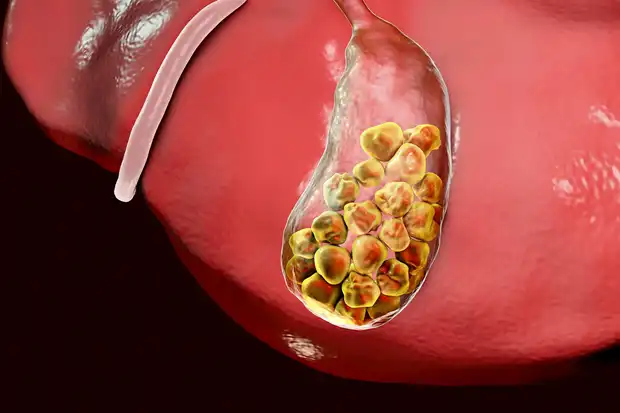
Gallstones, medically known as Cholelithiasis, are hardened deposits that form inside the gallbladder. The gallbladder is a small organ located beneath the liver that stores bile, a digestive fluid that helps break down fats.
Although gallstones are more common in adults, they can also develop in infants, children, and adolescents. Some children may have gallstones without any symptoms, while others may experience abdominal pain, nausea, vomiting, or complications such as gallbladder inflammation.
Gallstones in children may be associated with blood disorders, obesity, certain medications, rapid weight loss, or congenital conditions. Early diagnosis and appropriate treatment help prevent complications and maintain healthy digestive function.
Many children with gallstones do not have symptoms. When symptoms occur, they may include:
Severe or persistent abdominal pain should always be evaluated by a pediatric surgeon or pediatric gastroenterologist.
Gallstones develop when substances in bile become imbalanced and form solid crystals.
Common causes of gallstones in children include:
In some children, no specific cause can be identified.
These are the most common types and forms when bile contains excessive cholesterol.
These stones are made mainly of bilirubin and are more common in children with blood disorders or liver diseases.
These contain a combination of cholesterol, bile pigments, and calcium salts.
Certain factors increase the likelihood of developing gallstones.
Risk factors include:
Children with chronic hemolytic anemia have a higher risk of pigment gallstones.
If left untreated, gallstones may lead to serious complications.
The gallbladder becomes inflamed due to blockage by a gallstone.
Gallstones move into and block the common bile duct.
Gallstones may block the pancreatic duct, causing inflammation of the pancreas.
Blocked bile flow may cause yellowing of the skin and eyes.
A bacterial infection of the bile ducts that requires urgent treatment.
Repeated inflammation can affect the normal function of the gallbladder.
Doctors diagnose gallstones using clinical evaluation and imaging tests.
Diagnosis may include:
Ultrasound is the most commonly used and accurate test for diagnosing gallstones in children.
Treatment depends on whether the child has symptoms and the severity of the condition.
Children with small, symptom-free gallstones may only require regular monitoring.
In selected cases, medicines may be used to manage symptoms or treat associated infections. However, medications rarely dissolve gallstones completely.
Children with symptomatic gallstones or complications usually require laparoscopic removal of the gallbladder.
This minimally invasive procedure offers:
Children with blood disorders or other underlying medical conditions may require additional treatment alongside gallstone management.
Recovery depends on the type of treatment performed.
Parents are usually advised to:
Most children recover quickly after laparoscopic gallbladder surgery and can resume normal activities within a short period.
Helpful care measures include:
Lifestyle changes can help support overall digestive health.
Parents should seek medical attention if the child develops:
Early diagnosis of gallstones in children helps prevent complications and ensures timely treatment.
Gallstones are less common in children than in adults, but are being diagnosed more frequently due to improved imaging and increasing childhood obesity.
Yes, many children have silent gallstones that are discovered during an ultrasound for another condition.
No. Surgery is usually recommended only for children with symptoms or complications.
No. Once the gallbladder is removed, gallstones cannot form inside it again.
Yes, laparoscopic cholecystectomy is a safe and commonly performed procedure with excellent outcomes in children.
Yes. If a gallstone blocks the pancreatic duct, it can lead to acute pancreatitis, which requires prompt medical treatment.
Dr. Muni Varma is an experienced Pediatric Surgeon specializing in the diagnosis and treatment of gallstones (cholelithiasis) and other pediatric hepatobiliary disorders. With expertise in minimally invasive pediatric surgery and laparoscopic gallbladder procedures, Dr. Varma provides comprehensive child-focused care using advanced diagnostic and surgical techniques. From accurate diagnosis and conservative management to expert laparoscopic cholecystectomy, he focuses on relieving symptoms, preventing complications, and ensuring a smooth recovery. His personalized approach and long-term follow-up help children return to healthy, active lives.