Neural Tube Defects (NTDs) are serious congenital birth defects that occur when the neural tube, the structure that develops into the brain, spinal cord, and surrounding tissues, does not close completely during the early weeks of pregnancy.
Because the neural tube forms very early in fetal development, any disruption in its closure can affect the brain, spine, or spinal cord. The severity of the condition varies from mild abnormalities to complex defects that may cause physical disabilities, neurological problems, or developmental delays.
Neural tube defects are usually diagnosed during pregnancy or immediately after birth. Early diagnosis, timely surgical treatment when needed, and long-term multidisciplinary care help improve a child’s quality of life and developmental outcomes.
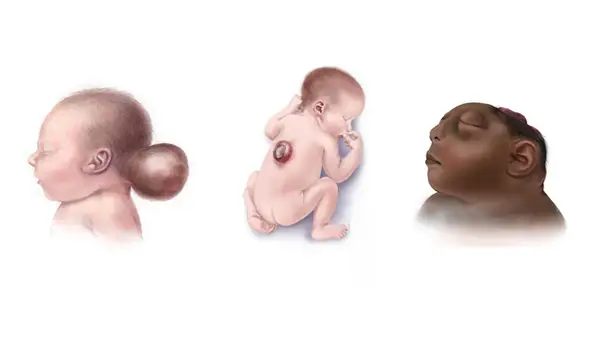
The symptoms of neural tube defects depend on the type and severity of the defect.
Common symptoms of neural tube defects in children include:
Some mild neural tube defects may not cause symptoms until later in childhood.
Neural tube defects develop during the first month of pregnancy when the neural tube fails to close properly.
Common causes and contributing factors include:
In many cases, neural tube defects occur due to a combination of genetic and environmental factors.
The mildest form, where there is a small defect in the spine without an open wound. Many children have no symptoms.
The protective membranes surrounding the spinal cord protrude through an opening in the spine, forming a fluid-filled sac. The spinal cord usually remains in its normal position.
The most severe and most common form of spina bifida. The spinal cord and nerves protrude through the spinal opening, often causing weakness, paralysis, and bladder or bowel dysfunction.
A severe neural tube defect in which major portions of the brain and skull fail to develop. Unfortunately, this condition is not compatible with long-term survival.
A rare condition in which brain tissue and its coverings protrude through an opening in the skull.
Certain factors increase the risk of neural tube defects.
Risk factors include:
Taking folic acid before conception and during early pregnancy significantly reduces the risk of neural tube defects.
The complications depend on the type and severity of the defect.
Many children with myelomeningocele develop excess fluid in the brain that may require treatment.
Damage to the spinal cord can affect movement of the legs.
Children may have difficulty controlling urination.
Loss of bowel control may occur due to nerve damage.
Clubfoot, hip dislocation, scoliosis, and joint deformities are common.
Some children may experience cognitive or developmental challenges.
Bladder dysfunction increases the risk of urinary infections.
Children with spina bifida have a higher risk of developing latex allergy.
Many neural tube defects are diagnosed before birth.
Diagnosis may include:
These investigations help determine the severity of the condition and guide treatment planning.
Treatment depends on the type and severity of the neural tube defect.
Children with open neural tube defects usually require surgery soon after birth to close the defect and reduce the risk of infection.
Children with hydrocephalus may require:
Some children may require treatment for:
Treatment may include:
Many children benefit from:
A multidisciplinary approach helps children achieve the best possible functional outcomes.
Recovery depends on the severity of the condition and associated neurological involvement.
Parents are usually advised to:
Long-term follow-up is important to support healthy growth and development.
Helpful care measures include:
Early rehabilitation helps improve mobility, independence, and quality of life.
Parents should seek immediate medical attention if the child develops:
Early medical evaluation helps prevent serious neurological complications.
Neural tube defects are congenital birth defects that occur when the brain or spinal cord does not develop properly during early pregnancy.
Many cases can be prevented by taking adequate folic acid before conception and during early pregnancy, although not all cases are preventable.
Spina bifida, particularly myelomeningocele, is the most common neural tube defect in children.
No. While many children with open neural tube defects require surgery, the treatment depends on the specific type and severity of the condition.
Many children lead active and fulfilling lives with early treatment, rehabilitation, and regular follow-up, although some may require ongoing medical support.
Yes. Most neural tube defects can be identified during pregnancy through ultrasound and maternal screening tests.
Dr. Muni Varma is an experienced Pediatric Neurosurgeon and Pediatric Surgeon specializing in the diagnosis and treatment of neural tube defects and other complex congenital neurological conditions. With expertise in spina bifida repair, myelomeningocele surgery, hydrocephalus management, VP shunt procedures, and multidisciplinary pediatric neurosurgical care, Dr. Varma provides comprehensive treatment using advanced diagnostic and surgical techniques. From prenatal counseling and newborn surgery to long-term rehabilitation, bladder and bowel management, and developmental follow-up, he focuses on preserving neurological function, improving mobility, and helping children achieve the best possible quality of life. Early expert intervention and continued specialized care provide the best opportunity for healthy growth and long-term development.