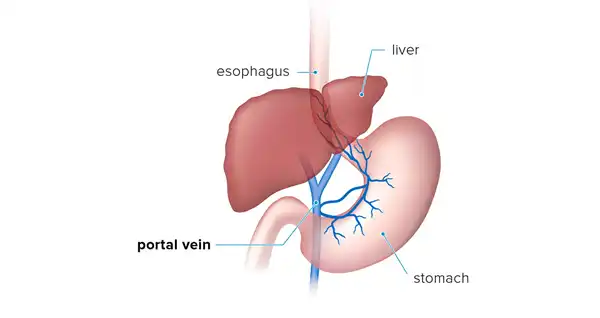
Portal Hypertension in children is a condition in which the pressure inside the portal vein becomes abnormally high. The portal vein is a major blood vessel that carries blood from the intestines, stomach, pancreas, and spleen to the liver.
When blood flow through the liver is blocked or slowed, pressure builds up in the portal vein. As a result, new veins (called varices) may develop around the food pipe (esophagus), stomach, and other organs. These veins are fragile and can bleed, making portal hypertension a potentially serious condition.
Portal hypertension in children may occur due to liver diseases, blockage of the portal vein, or congenital abnormalities affecting the liver or blood vessels. Early diagnosis and appropriate treatment are essential to prevent complications and preserve liver function.
The symptoms of portal hypertension depend on its cause and severity.
Common symptoms of portal hypertension in children include:
Some children may not have symptoms until complications such as bleeding develop.
Portal hypertension develops when blood flow through the portal vein or liver becomes blocked.
Common causes of portal hypertension in children include:
The underlying cause determines the type of treatment required.
Portal hypertension is classified according to the location of the blockage.
The blockage occurs before blood enters the liver, most commonly due to portal vein thrombosis.
The increased pressure develops within the liver, often because of cirrhosis, congenital liver fibrosis, or chronic liver disease.
The blockage occurs after blood leaves the liver, such as in Budd-Chiari syndrome or severe heart conditions.
Certain conditions increase the risk of portal hypertension.
Risk factors include:
Children with chronic liver conditions require regular monitoring for portal hypertension.
If left untreated, portal hypertension may cause serious complications.
Doctors use several tests to determine the cause and severity of portal hypertension.
Diagnosis may include:
Upper GI endoscopy helps identify esophageal or gastric varices.
Treatment depends on the underlying cause and associated complications.
Doctors may prescribe medicines to reduce portal pressure or manage complications.
These may include:
Rubber bands are placed around enlarged esophageal veins to prevent or stop bleeding.
A special solution is injected into bleeding varices to control bleeding.
In selected children, surgery may be performed to redirect blood flow and reduce portal pressure.
For children with portal vein thrombosis and suitable anatomy, a Meso-Rex bypass restores normal blood flow to the liver and is considered the preferred physiological surgical treatment.
Children with severe liver failure or advanced liver disease may require a liver transplant.
Recovery depends on the underlying cause and treatment provided.
Parents are usually advised to:
Long-term monitoring is essential for children with chronic liver disease.
Helpful care measures include:
Proper medical follow-up helps reduce complications and improves long-term health.
Parents should seek immediate medical attention if the child develops:
Bleeding from esophageal varices is a medical emergency and requires immediate treatment.
No, portal hypertension is relatively uncommon in children but can occur due to liver diseases or portal vein abnormalities.
Treatment depends on the underlying cause. Some children improve after surgery or treatment of the underlying disease, while others require long-term management.
Bleeding from esophageal or gastric varices is the most serious and potentially life-threatening complication.
A Meso-Rex bypass is a specialized surgical procedure that restores normal blood flow to the liver in selected children with portal vein blockage.
No. Many children can be managed with medications, endoscopic procedures, and regular monitoring. Surgery is recommended only in selected cases.
Yes. With early diagnosis, appropriate treatment, and regular follow-up, many children can lead healthy and active lives.
Dr. Muni Varma is an experienced Pediatric Surgeon specializing in the diagnosis and treatment of portal hypertension and other complex pediatric liver and gastrointestinal disorders. With expertise in managing portal vein disorders, esophageal varices, biliary diseases, and advanced pediatric hepatobiliary surgery, Dr. Varma provides comprehensive child-focused care using modern diagnostic techniques and evidence-based treatment. From endoscopic management of variceal bleeding to advanced surgical procedures and long-term follow-up, he focuses on preventing complications, preserving liver function, and improving the quality of life for children. Early expert care and regular monitoring help ensure the best possible long-term outcomes.