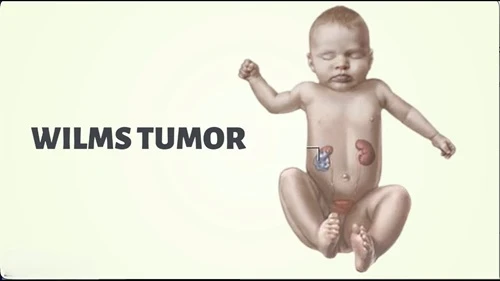
Wilms Tumor, also called nephroblastoma, is the most common kidney cancer in children. It usually develops in one kidney, although in some cases both kidneys can be affected.
Wilms tumor develops from immature kidney cells that do not mature normally during early development. It is most commonly diagnosed in children younger than 5 years of age, although it can occur in older children as well.
The tumor may grow inside the kidney and become large before causing noticeable symptoms. With early diagnosis and modern treatment, most children with Wilms tumor have a very good chance of recovery.
The symptoms can vary depending on the size of the tumor and whether it has spread to other parts of the body.
Common symptoms of Wilms tumor in children include:
In some children, the abdominal mass may be noticed accidentally while bathing or dressing the child.
The exact cause of Wilms tumor is not known in most children.
The tumor develops when immature kidney cells undergo genetic changes that cause them to grow and divide uncontrollably.
Possible contributing factors include:
Most children with Wilms tumor do not have a family history or an identifiable cause.
Wilms tumor can be classified according to the affected kidney and its microscopic appearance.
Certain genetic and congenital conditions are associated with an increased risk.
Risk factors include:
Most children who develop Wilms tumor do not have any known risk factors.
If not treated promptly, Wilms tumor can cause several complications.
Doctors use imaging, blood tests, and other investigations to identify the tumor and determine its stage.
Diagnosis may include:
Imaging helps determine the size of the tumor, whether the opposite kidney is involved, and whether the disease has spread.
Staging helps doctors determine how far the tumor has spread and select the appropriate treatment.
The treatment plan is based on the stage, histology, age, tumor biology, and response to therapy.
Treatment usually involves a combination of surgery, chemotherapy, and sometimes radiation therapy.
Surgery is an important part of treatment for Wilms tumor.
The affected kidney and tumor are removed through a procedure called nephrectomy.
In selected children, particularly those with bilateral tumors or a predisposition to develop tumors in both kidneys, surgeons may remove the tumor while preserving as much healthy kidney tissue as possible.
Chemotherapy is commonly used before or after surgery depending on the treatment protocol and stage of disease.
It helps destroy cancer cells that may remain after surgery or have spread to other parts of the body.
Radiation therapy may be recommended for selected children with advanced disease or unfavorable tumor characteristics.
The exact treatment combination depends on the tumor stage and histology.
Recovery depends on the stage of the tumor and the treatments required.
Parents are usually advised to:
Children who have one healthy remaining kidney can generally live normal, active lives, although long-term kidney and blood pressure monitoring is important.
Helpful care measures include:
Emotional and psychological support is also important during and after cancer treatment.
Parents should seek medical attention if the child develops:
Early evaluation of an unexplained abdominal mass is important because Wilms tumor can grow significantly before symptoms become obvious.
Wilms tumor is a cancer that develops in the kidneys and is the most common kidney cancer in children.
It is most commonly diagnosed in children younger than 5 years of age.
Yes. Most cases affect one kidney, but some children develop tumors in both kidneys.
Yes. Wilms tumor is highly treatable, and many children achieve complete remission, particularly when the disease is diagnosed and treated appropriately.
Most children receive chemotherapy as part of treatment, but the specific drugs and duration depend on the stage and histology of the tumor.
Yes. Many children can live healthy, active lives with one functioning kidney. Regular monitoring of kidney function and blood pressure is recommended.
Dr. Muni Varma is an experienced Pediatric Surgeon specializing in the diagnosis and surgical management of Wilms tumor and other complex pediatric kidney and abdominal tumors. With expertise in pediatric oncology surgery, neonatal surgery, minimally invasive procedures, and advanced abdominal tumor surgery, Dr. Varma provides comprehensive child-focused care in coordination with pediatric oncology and other specialists. From accurate diagnosis and kidney-preserving surgery in selected cases to nephrectomy, post-operative care, and long-term follow-up, he focuses on achieving complete tumor removal while preserving kidney function whenever possible. Early expert treatment and coordinated multidisciplinary care help children achieve the best possible long-term outcomes.