Pediatric Meningomyelocele Surgery is a procedure performed to close and repair a spinal defect in which the protective coverings of the spinal cord and a portion of the spinal cord or nerves protrude through an opening in the spine.
The main goals of surgery are to protect the exposed neural tissue, close the spinal defect, reduce the risk of infection, and create a safe soft-tissue covering over the repaired area.
The operation is carefully planned according to the location and size of the defect, the condition of the exposed neural tissue, the child’s neurological status, and associated conditions such as hydrocephalus.
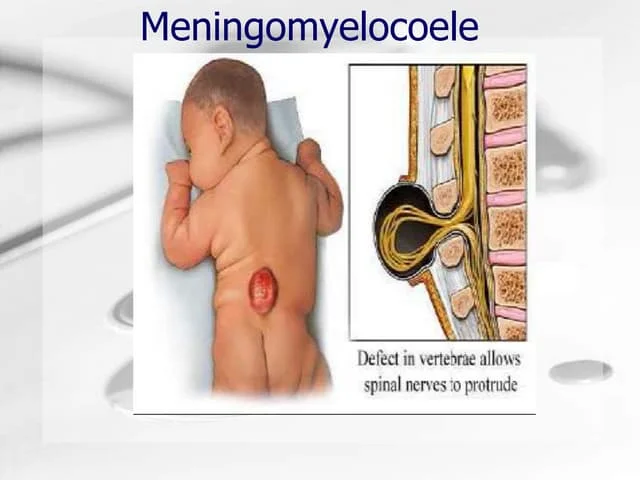
Surgical repair is generally required when a child has a meningomyelocele because the exposed spinal structures need protection.
The surgical team evaluates:
The timing and surgical plan depend on the individual child’s condition.
The main objectives of surgery are to:
Surgery repairs the structural defect but does not necessarily reverse neurological problems that were already present.
Before surgery, the child is carefully evaluated by the pediatric surgical and neurosurgical team.
During the procedure:
The exact technique depends on the size and location of the defect and the condition of the surrounding tissues.
One of the most important principles of meningomyelocele repair is protecting the spinal cord and nerve structures.
The surgeon carefully separates and handles the neural elements while minimizing additional trauma.
The operation is not simply removal of the visible sac. The underlying neural structures must be preserved as carefully as possible during closure.
After the neural structures have been appropriately positioned, the defect is closed in multiple layers.
The surgical team may reconstruct:
A secure multilayer closure helps protect the repaired spinal structures and reduces the risk of wound breakdown and CSF leakage.
Large meningomyelocele defects may not always have enough surrounding skin for a simple closure.
In selected cases, additional soft-tissue reconstruction may be required to provide adequate coverage.
The approach depends on the size of the defect and the available healthy tissue around it.
Some children with meningomyelocele also have hydrocephalus, which may require treatment.
The child is evaluated for signs of increased CSF accumulation and ventricular enlargement.
If CSF diversion is necessary, treatment may include VP shunt surgery or another appropriate CSF-diversion procedure depending on the child’s condition.
The timing of shunt treatment and spinal repair is individualized by the treating team.
Meningomyelocele repair is a specialized pediatric procedure and can be performed safely when the child is appropriately evaluated and managed by an experienced multidisciplinary team.
However, the operation involves delicate spinal and neural structures.
Potential risks depend on:
Potential benefits include:
Surgery cannot guarantee normal neurological function because the child’s neurological condition depends on the extent of spinal cord and nerve involvement.
Potential complications include:
The risk varies according to the child’s individual anatomy and medical condition.
After surgery, the child is monitored closely.
The medical team may assess:
The child may need to remain in the hospital until the wound is healing appropriately and the medical team is satisfied with the recovery.
Parents should:
Parents should contact the treating team promptly if they notice wound opening, persistent fever, fluid leakage, increasing swelling, reduced limb movement, seizures, or other concerning symptoms.
Long-term follow-up is important because meningomyelocele can be associated with neurological, bladder, bowel, orthopedic, and spinal problems.
Follow-up may involve:
The child’s follow-up plan is individualized according to the level of the spinal defect and neurological function.
Meningomyelocele can affect the nerves responsible for bladder and bowel control.
Surgery closes the spinal defect but does not necessarily restore nerve function that has already been affected.
Some children may require long-term bladder and bowel management, which may include regular urological assessment, catheterization programs, medicines, bowel routines, or other supportive treatments depending on their needs.
The level of the spinal defect can influence leg strength, sensation, and mobility.
After surgery, children may benefit from:
The rehabilitation plan depends on the child’s neurological function.
Some children with spinal dysraphism may develop tethered cord syndrome, in which the spinal cord becomes abnormally attached and cannot move freely within the spinal canal.
During long-term follow-up, doctors may monitor for changes such as:
If clinically indicated, further imaging and neurosurgical evaluation may be recommended.
The timing depends on the child’s recovery, neurological condition, wound healing, and associated medical problems.
Activity is gradually increased according to the treating team’s recommendations.
Children may require ongoing physiotherapy and individualized activity plans depending on their mobility and muscle function.
Meningomyelocele treatment often involves more than the initial operation.
Long-term care may include:
A coordinated multidisciplinary approach can help address the child’s changing needs as they grow.
The cost varies depending on the complexity of the spinal defect and the child’s associated medical needs.
Factors that may affect the overall cost include:
Parents should discuss the expected treatment plan and estimated hospital expenses with the treating team.
Parents should discuss:
Understanding these issues helps parents prepare for both surgery and long-term care.
Pediatric Meningomyelocele Surgery is a procedure used to close an open spinal defect and protect the exposed spinal cord, nerve tissue, and surrounding structures.
The open defect exposes delicate neural structures and can increase the risk of infection, CSF leakage, and further tissue damage. Surgery provides protective closure of the defect.
Surgery closes the spinal defect but does not necessarily reverse neurological problems caused by spinal cord or nerve involvement. Long-term multidisciplinary care may still be required.
Walking ability varies significantly depending on the level and severity of spinal cord involvement. Physiotherapy, orthopedic care, and mobility support may help maximize functional independence.
Yes. The nerves controlling the bladder and bowel can be affected. Some children require long-term urological and bowel-management support.
No. Some children develop hydrocephalus and require CSF diversion, while others may not require a shunt. The need for treatment is determined through clinical evaluation and imaging.
Tethered cord syndrome occurs when the spinal cord becomes abnormally attached within the spinal canal. Children who have undergone meningomyelocele repair may be monitored for symptoms that could indicate tethering.
Recovery varies according to the size of the defect, complexity of repair, neurological condition, wound healing, and associated problems such as hydrocephalus.
Yes. Long-term monitoring may include neurological, orthopedic, urological, bowel, developmental, and spinal assessments.
Dr. Muni Varma offers advanced Pediatric Meningomyelocele Surgery for Children in Lucknow, India. With more than 10 years of experience, he uses a careful and child-focused approach to provide accurate evaluation, appropriate surgical planning, and better long-term care. He offers personalized treatment and follow-up support for children requiring meningomyelocele repair, helping parents understand the treatment process and providing quality pediatric surgical care in Lucknow, India.
