Pediatric Neural Tube Defect Surgery refers to surgical procedures used after birth to repair certain spinal or cranial defects involving the neural tube. The type of surgery depends on the specific defect, its location, the structures involved, and the child’s neurological condition.
For spinal neural tube defects such as meningocele and meningomyelocele, surgery focuses on closing the spinal defect, protecting the spinal cord and nerves, repairing the coverings around the neural tissue, and providing secure soft-tissue coverage.
For selected cranial neural tube defects, surgery may involve repairing a skull defect and repositioning or removing abnormal tissue while protecting the brain and surrounding structures.
The surgical plan is individualized after clinical examination and appropriate imaging.
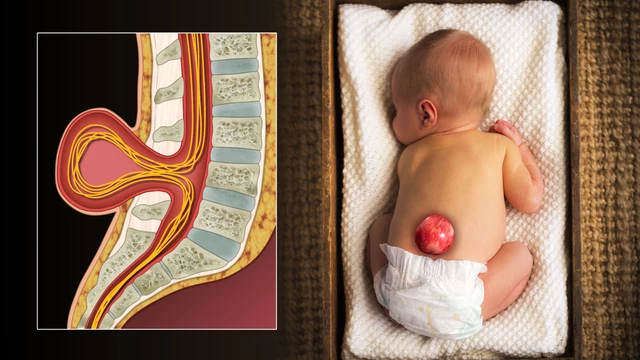
Surgery may be recommended when a child has a neural tube defect that requires structural repair.
The surgical team considers:
The timing and type of surgery depend on the child’s individual condition.
The main objectives of surgery are to:
Surgery repairs the structural defect but may not reverse neurological problems that were already present.
The exact procedure depends on the type of neural tube defect.
For a spinal defect, surgery may involve:
For cranial defects, the surgical approach is different and focuses on repairing the skull and surrounding tissues while protecting the brain.
Spinal neural tube defects include conditions such as meningocele and meningomyelocele.
The surgical repair may involve:
The specific technique depends on the type and anatomy of the defect.
In a meningocele, the protruding sac primarily contains the protective meninges and cerebrospinal fluid.
Surgery generally involves carefully managing the sac, repairing the meningeal defect, preventing CSF leakage, and providing secure closure over the spinal defect.
The underlying spinal cord and nerves are assessed and protected during the operation.
In meningomyelocele, neural tissue and spinal nerves may be involved in the protruding sac.
Repair therefore requires particularly careful handling of the neural structures.
The surgeon aims to:
Some neural tube defects affect the skull and may involve protruding brain coverings or neural tissue.
Surgery may involve:
The exact procedure depends on the location and contents of the defect.
A secure closure is an important goal of surgery.
The surgeon may close the defect in multiple layers to provide protection for the underlying neural structures.
A watertight repair of the protective coverings is particularly important when CSF leakage is a concern.
The surrounding muscle, fascia, and skin are then reconstructed to create durable coverage.
During surgery, preservation of functioning neural tissue is a major priority.
The surgeon carefully evaluates the relationship between the abnormal tissue and the spinal cord, nerves, or brain structures.
The goal is to repair the defect while minimizing additional injury to normal neurological structures.
Some children with spinal neural tube defects, particularly meningomyelocele, may also have hydrocephalus.
The child may require neurological evaluation and brain imaging to assess CSF circulation.
If CSF diversion is required, treatment may include a ventriculoperitoneal (VP) shunt or another appropriate procedure.
The decision and timing of hydrocephalus treatment are individualized.
Neural tube defect surgery can be performed safely when the child is carefully evaluated and the procedure is planned according to the specific anatomy.
However, these operations involve delicate neurological structures, and the risks depend on:
Potential benefits include:
The extent of neurological recovery depends on the child’s underlying neural involvement.
Potential complications include:
The actual risk varies according to the type and severity of the defect.
After surgery, the child is monitored closely.
The medical team may assess:
Hospital stay varies according to the complexity of the surgery and the child’s recovery.
Parents should:
Urgent medical evaluation is important if the child develops fever, wound opening, persistent fluid leakage, new weakness, seizures, severe vomiting, unusual sleepiness, or other concerning symptoms.
Long-term follow-up may be required because neural tube defects can be associated with neurological, orthopedic, bladder, bowel, and developmental problems.
Depending on the child’s condition, follow-up may involve:
The follow-up schedule is individualized.
Spinal neural tube defects can affect the nerves responsible for bladder and bowel control.
Surgical repair closes the structural defect but does not necessarily restore nerve function that has already been affected.
Some children may therefore require long-term urological assessment and bowel-management support.
The level and severity of spinal involvement can influence leg strength, sensation, and mobility.
Depending on the child’s needs, rehabilitation may include:
The rehabilitation plan is tailored to the child’s neurological function.
Children with spinal neural tube defects may require monitoring for tethered cord syndrome.
Possible warning signs include:
If these symptoms develop, further imaging and neurosurgical assessment may be required.
The timing depends on the type of repair, wound healing, neurological status, and associated conditions.
Light activities may be gradually resumed according to medical advice.
Strenuous exercise and activities that place pressure or stress on the surgical area may need to be restricted until adequate healing has occurred.
Children with mobility limitations may require individualized activity and rehabilitation plans.
Surgery is an important part of treatment, but some children require long-term multidisciplinary care.
This may include:
The child’s needs may change as they grow, so regular assessment can be important.
The cost varies depending on the type and complexity of the neural tube defect.
Factors that may affect the total cost include:
Parents should discuss the expected treatment plan and estimated expenses with the treating hospital.
Parents should discuss:
Understanding the child’s individual condition helps parents prepare for surgery and long-term care.
Pediatric Neural Tube Defect Surgery includes procedures used to repair certain structural defects involving the brain, spinal cord, or their protective coverings. The exact operation depends on the type and location of the defect.
Spinal defects such as meningocele and meningomyelocele may require surgical repair. Certain cranial neural tube defects may also require specialized surgery.
No. A typical meningocele primarily involves the meninges and CSF, while meningomyelocele also involves neural tissue. The surgical technique therefore differs according to the anatomy.
Surgery repairs the structural defect but cannot necessarily reverse neurological damage that has already occurred. Some children require long-term neurological, orthopedic, urological, and rehabilitation care.
Some spinal neural tube defects, particularly meningomyelocele, are associated with hydrocephalus. Children may require monitoring and, when necessary, CSF-diversion treatment such as VP shunt surgery.
Walking ability depends on the level and severity of spinal cord involvement. Some children have normal or near-normal mobility, while others require physiotherapy, braces, or mobility aids.
Yes. Spinal involvement can affect the nerves controlling bladder and bowel function. Some children require ongoing urological and bowel-management care.
Tethered cord syndrome occurs when the spinal cord becomes abnormally attached within the spinal canal. Children with spinal neural tube defects may be monitored for symptoms suggesting tethering.
Recovery depends on the type of neural tube defect, complexity of the operation, neurological condition, wound healing, and associated problems such as hydrocephalus.
Dr. Muni Varma offers advanced Pediatric Neural Tube Defect Surgery for Children in Lucknow, India. With more than 10 years of experience, he uses a careful and child-focused approach to provide accurate evaluation, appropriate surgical planning, and better long-term care. He offers personalized treatment and follow-up support for children requiring neural tube defect repair, helping parents understand the treatment process and providing quality pediatric surgical care in Lucknow, India.
